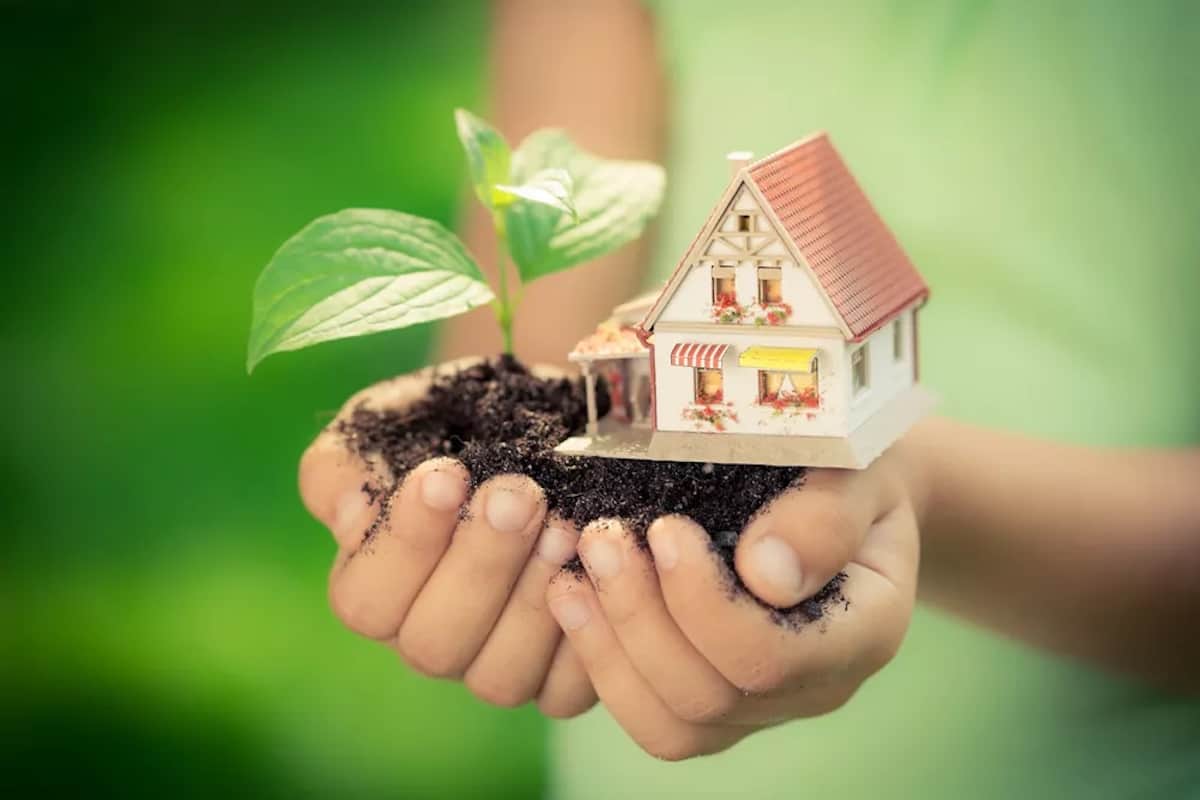
In an era defined by environmental consciousness and sustainability, the real estate industry has undergone a significant transformation. Homebuyers and property developers alike are increasingly prioritizing green living and sustainability. This shift in focus not only benefits the environment but also offers numerous advantages for homeowners in terms of cost savings, comfort, and overall well-being. In this blog, we will explore the concept of real estate sustainability and how green living is shaping the future of housing.
Understanding Real Estate Sustainability
Real estate sustainability is more than just a buzzword; it’s a commitment to creating a built environment that is environmentally responsible, economically viable, and socially equitable. It encompasses various aspects, including design, construction, energy efficiency, waste reduction, and community planning. Here are some key components of real estate sustainability:
- Energy Efficiency: Sustainable buildings are designed to minimize energy consumption. This is achieved through features such as energy-efficient lighting, heating and cooling systems, and well-insulated walls and windows. These measures not only reduce carbon emissions but also lower utility bills for homeowners.
- Renewable Energy: Incorporating renewable energy sources like solar panels and wind turbines can further reduce a property’s carbon footprint. Excess energy can be stored or even sold back to the grid, providing economic benefits.
- Water Conservation: Sustainable real estate emphasizes water-efficient fixtures and landscaping to minimize water wastage. Rainwater harvesting and greywater recycling systems are also becoming more common.
- Material Selection: Using sustainable building materials, such as recycled or reclaimed materials, reduces the environmental impact of construction. Additionally, sourcing materials locally reduces transportation emissions.
- Waste Reduction: Construction projects generate a significant amount of waste. Sustainable building practices prioritize recycling and minimizing waste through efficient construction techniques.
Benefits of Green Living in Real Estate
- Cost Savings: One of the most significant advantages of green living is reduced operating costs. Energy-efficient homes require less energy for heating, cooling, and lighting, leading to lower utility bills. Additionally, tax incentives and rebates may be available for homeowners who invest in sustainable features.
- Improved Indoor Air Quality: Sustainable homes often feature advanced ventilation systems and non-toxic building materials, which lead to healthier indoor air quality. This can reduce the risk of respiratory issues and allergies.
- Higher Property Value: Sustainable homes tend to have higher property values and can command a premium in the real estate market. Buyers are increasingly willing to pay more for homes with lower operating costs and a smaller environmental footprint.
- Reduced Environmental Impact: By reducing energy consumption and minimizing waste, green living contributes to a smaller environmental footprint. This is crucial in the fight against climate change and resource depletion.
The Future of Green Real Estate
The future of real estate is undeniably green. Governments around the world are enacting regulations to promote sustainability in construction and housing. Additionally, consumer demand for eco-friendly homes continues to grow. Here are some trends to watch for in the green real estate industry:
- Smart Homes: Integration of smart technology allows homeowners to monitor and control energy usage, making it easier to live sustainably.
- Net-Zero Homes: The concept of net-zero homes, which produce as much energy as they consume, is gaining traction. These homes are powered by renewable energy sources and are highly energy-efficient.
- Eco-Friendly Communities: Developers are designing entire communities with sustainability in mind, incorporating green spaces, public transportation options, and shared amenities.
- Resilient Design: As climate change-related challenges become more prevalent, resilient design practices are being integrated into sustainable real estate to ensure homes can withstand extreme weather events.
 Conclusion
Real estate sustainability and green living are no longer just trends; they are essential components of a better, more sustainable future. Whether you’re a homeowner looking to reduce your carbon footprint and save money or a developer seeking to meet the growing demand for eco-friendly housing, embracing sustainable practices in real estate is a win-win for all. As the industry continues to evolve, the homes of the future will not only provide comfort and shelter but also contribute positively to the environment and the well-being of their occupants.