The world of real estate has undergone a remarkable transformation in recent years, largely due to the integration of virtual technology. Virtual aspects of real estate are revolutionizing the industry by streamlining the buying and selling processes, offering unprecedented convenience, and expanding the scope of possibilities for both professionals and consumers. In this blog, we’ll explore the virtual aspects of real estate, from virtual tours and digital marketing to blockchain technology, and the potential implications for the future of the industry.
Virtual Tours and 3D Modeling
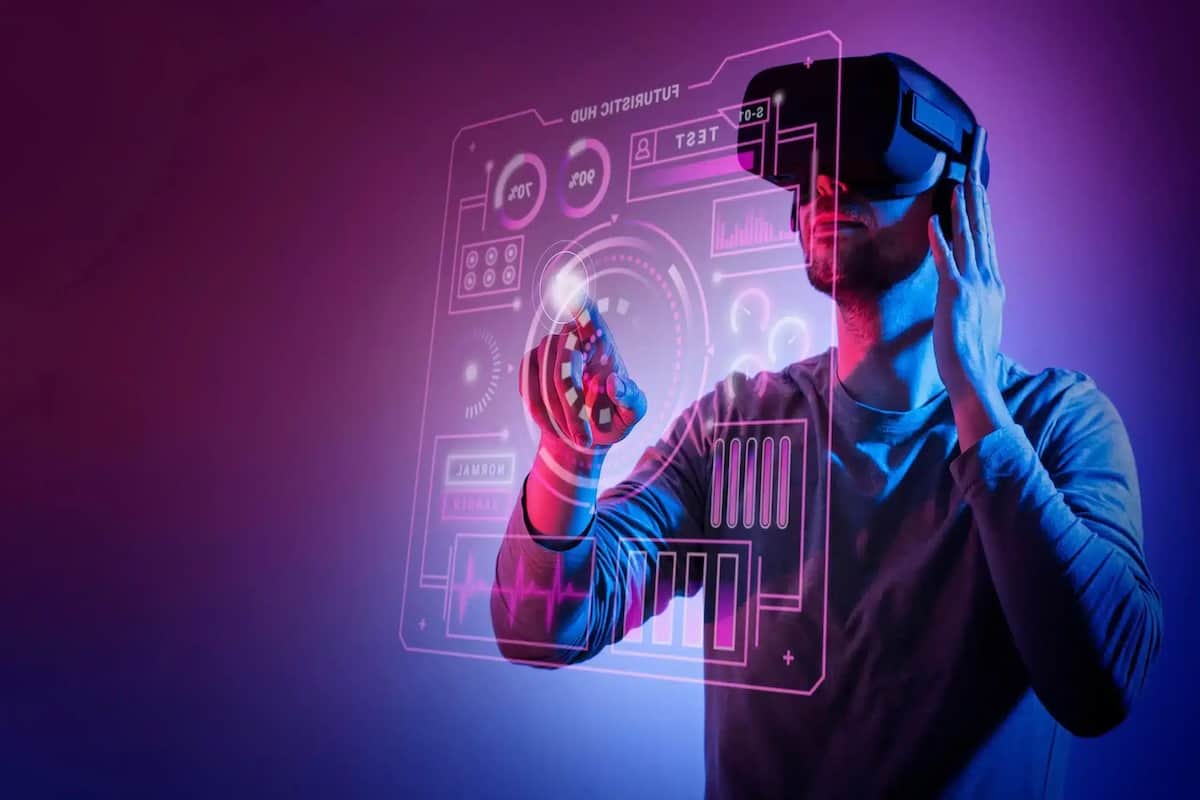
Virtual tours have become a game-changer in the real estate market. These immersive experiences allow potential buyers to explore properties from the comfort of their own homes, reducing the need for physical showings. High-quality 3D modeling and virtual reality (VR) technologies provide a realistic and interactive representation of a property, giving buyers a comprehensive feel for the space, layout, and features.
Digital Marketing and Social Media
Real estate agents and property developers have embraced the digital realm for marketing purposes. Social media platforms, such as Instagram and Facebook, are used to showcase properties through engaging posts, photos, and videos. Online advertising campaigns, email marketing, and targeted ads have become crucial in reaching a wider audience, enabling agents to connect with potential buyers across the globe.
Augmented Reality (AR)
Augmented reality applications are enhancing the way we perceive properties. AR overlays digital information onto the physical world, making it possible to view additional details about a property when using a mobile device. Potential buyers can point their smartphones at a building and instantly access information about its history, previous sales, and more.
Blockchain Technology and Smart Contracts
Blockchain technology is transforming real estate transactions. It offers secure and transparent transactions through smart contracts. These contracts automatically execute when predefined conditions are met, reducing the need for intermediaries, such as lawyers and banks. This not only streamlines the buying process but also minimizes fraud risks.
Real Estate Crowdfunding
Virtual platforms are enabling investors to enter the real estate market through crowdfunding. Investors can contribute smaller amounts to larger property investments, diversifying their portfolios without the need for substantial capital. Online crowdfunding platforms provide a virtual marketplace for real estate transactions, making investing accessible to a wider audience.
Property Management Software
Property management has also seen a significant shift toward virtual solutions. Property managers now use software to streamline tasks such as rent collection, maintenance requests, and financial tracking. These platforms offer transparency and efficiency, allowing property owners to stay updated on their investments in real time.
Remote Work and Real Estate
The rise of remote work has impacted real estate as well. Virtual aspects of real estate have made it easier for people to search for homes in locations that better suit their remote work arrangements. The ability to virtually explore properties has allowed individuals to consider moving to areas they may not have considered otherwise.
Environmental Impact
Virtual real estate tools can have a positive impact on the environment. Reduced physical showings and printed marketing materials contribute to less energy consumption and a decrease in paper waste. Furthermore, the ability to assess properties remotely can cut down on unnecessary travel, decreasing carbon emissions.
 Conclusion
The virtual aspects of real estate have brought innovation and convenience to the industry, enhancing the way properties are marketed, bought, and sold. From virtual tours and digital marketing to blockchain technology and remote work considerations, the real estate sector is evolving rapidly to meet the needs of a tech-savvy, global audience. As these virtual advancements continue to shape the future of real estate, the industry will become more accessible, efficient, and sustainable, ultimately benefitting both professionals and consumers.