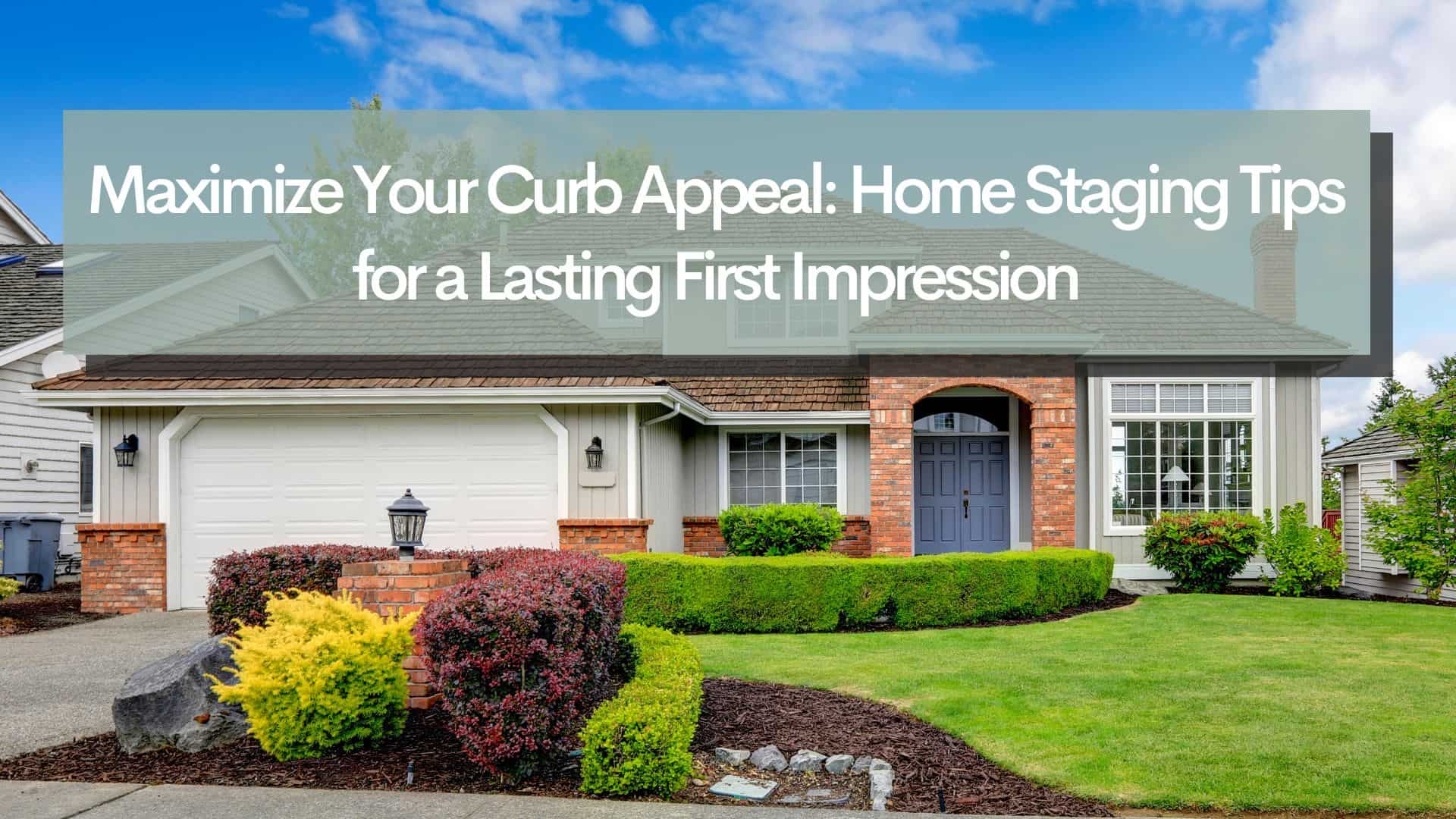
Curb appeal is the single biggest factor in the first impression a buyer forms of your house — and it happens before they ever reach the front door. Real estate agents often talk about the “8-second rule” or the “7-second rule”: the idea that buyers form a gut-level opinion of a home while it’s still just a view through the windshield. That snap judgment, shaped entirely by your home’s exterior, may be the single most underrated factor in a successful home sale.
If you’re preparing to list your property, understanding how important curb appeal is to that all-important first impression isn’t optional — it’s foundational. Whether you’re selling your house in the Central Valley or anywhere else, this guide breaks down the psychology behind buyer perception, the hard numbers behind curb appeal ROI, and the specific projects that will make your home value climb before a single buyer steps through the door.
Why First Impressions Matter So Much in Real Estate
Human beings are wired to judge quickly. Researchers at Princeton University found that people form first impressions of faces — and by extension, environments — in as little as one-tenth of a second. While buying a house is a much bigger decision than reading a face, that instinctive, emotional reaction doesn’t disappear once someone gets in a car and drives to a showing.
According to the National Association of Realtors, 99% of realtors believe curb appeal is important in attracting a buyer, and 79% say it’s very important. That’s not a small majority opinion — it’s near-universal agreement from the professionals who watch buyer behavior every single day.
This matters because a first impression doesn’t just influence whether a buyer likes your home. It actively shapes how they interpret everything that follows. If the lawn is overgrown and the paint is peeling, buyers unconsciously start looking for problems inside, too — cracks, outdated fixtures, deferred maintenance. If the exterior is polished, buyers walk in already primed to like what they see, and they’re more forgiving of minor imperfections indoors.
What Exactly Is Curb Appeal?
Curb appeal refers to how attractive a property looks from the street — the view a buyer, appraiser, or real estate agent gets before ever opening the front door. It includes your lawn and landscaping, the condition of your driveway and walkway, exterior paint, the front door and hardware, outdoor lighting, house numbers, the mailbox, and even how tidy your neighbor’s yard looks from the curb.
Curb appeal is really a form of home staging applied to the exterior. Just as sellers stage interiors to help buyers picture themselves living in a space, exterior staging helps buyers picture themselves arriving home every day — a surprisingly emotional trigger in the home-buying decision.
The Numbers Don’t Lie: Curb Appeal and Home Value
If the psychology alone doesn’t convince you, the financial data should. Several independent studies and industry reports quantify exactly how much curb appeal impacts home value and sale price.
- A study published in The Journal of Real Estate Finance and Economics found that strong curb appeal can raise a home’s perceived value by as much as 7%, a finding echoed in reporting from phys.org.
- Redfin reports that homes with high curb appeal can see price increases ranging from 5% to 20% compared to similar homes with neglected exteriors.
- The National Association of Realtors’ Remodeling Impact Report found that professionally designed landscaping can boost home value by 10% to 15%, and landscaping projects in general return over 100% of their cost at resale.
- Opendoor’s 2026 home improvement guide confirms that exterior projects consistently outperform interior remodels on a dollar-for-dollar ROI basis.
That last point is worth sitting with. Kitchen remodels and bathroom renovations get all the attention on home renovation shows, but they rarely recoup their full cost at resale. Curb appeal, by contrast, is one of the few categories where sellers routinely get back more than 100% of what they spend — sometimes dramatically more. If you’re curious how these factors translate to your own property, find out what your home is worth before you decide where to invest.
The Highest-ROI Curb Appeal Projects for Sellers
Not all exterior improvements are created equal. If you’re working with a limited budget before listing, here’s where your money goes furthest, based on the latest Cost vs. Value data and real estate industry reporting.
1. Garage Door Replacement
According to Renovated.com’s analysis of the Cost vs. Value Report, garage door replacement recoups roughly 194% to 268% of its cost, making it the single highest-ROI home improvement project tracked in the report — ranking #1 across all nine U.S. regions. Since the garage door can occupy up to a third of a home’s street-facing facade, replacing a dated or damaged one instantly transforms how the entire house reads from the road.
2. Landscaping and Lawn Care
A manicured lawn, trimmed hedges, fresh mulch, and seasonal flowers are inexpensive relative to their payoff. NAR data shows landscaping ROI regularly exceeds 100%, and it’s one of the few projects a homeowner can complete over a single weekend without hiring a contractor.
3. Exterior Paint and Siding
A fresh coat of paint on trim, shutters, and the front door signals that a home has been well cared for. For homes with vinyl siding, Cost vs. Value data shows that replacing a portion with manufactured stone veneer returns an average of 153% ROI, giving the entryway a more upscale, custom look at a moderate cost.
4. Front Door Upgrade
The front door is the focal point buyers subconsciously fixate on as they approach — it’s literally the entry point to their potential future home. A new door, a fresh coat of paint in a bold but tasteful color, or updated hardware and house numbers can make an outsized visual impact for a relatively small investment.
5. Outdoor Lighting
Well-placed pathway and porch lighting extends your home’s best first impression into evening showings and listing photos, while also signaling safety and attention to detail.
6. Power Washing and Walkway Repair
Dirt, mildew, and algae buildup on siding, driveways, and walkways age a home instantly. A thorough power washing — often under $300 professionally or free if you rent equipment — can make a home look years newer in an afternoon.
7. House Numbers, Mailbox, and Hardware
These are the smallest-ticket items on this list, often costing less than $150 combined, yet they’re some of the first details a buyer’s eye lands on while walking up the front path. Modern, matching house numbers, a fresh mailbox, and updated door hardware read as small signals of a well-maintained home exterior, and they’re an easy weekend project for any seller.
8. Window Washing and Trim Cleanup
Streaked, grimy windows dull a home’s entire facade, even when the rest of the exterior looks great. Washing windows inside and out, along with cleaning out gutters and touching up window trim paint, sharpens the overall look of the property in listing photos and in person.
How Real Estate Agents Use Curb Appeal to Sell Faster
Ask any experienced real estate agent, and they’ll tell you curb appeal isn’t just about the final sale price — it’s about generating the initial interest that gets a home sold quickly. NAR reporting shows that 94% of real estate professionals have proactively suggested curb appeal improvements to sellers before listing, precisely because it affects three things simultaneously:
- Online engagement. Listing photos and video tours are usually a buyer’s very first exposure to your home, long before they ever drive by in person. A home with poor exterior photos gets scrolled past; one with a well-landscaped, photogenic exterior earns clicks and showing requests.
- Showing traffic. Homes that look inviting from the street attract more drive-by interest and walk-in showings, especially from buyers who weren’t actively searching but noticed a “for sale” sign on an attractive property.
- Perceived value at the negotiating table. Buyers who are emotionally drawn in before they walk through the door are less likely to nitpick and negotiate aggressively on price.
Curb Appeal Mistakes That Undermine Your Home’s First Impression
Just as certain upgrades boost buyer perception, certain neglected details quietly sabotage it. Common curb appeal mistakes include:
- Overgrown or dead landscaping that suggests the whole property has been neglected
- Cracked, stained, or uneven driveways and walkways
- Peeling paint or faded, outdated exterior color schemes
- Cluttered porches, yards, or driveways (toys, tools, trash cans in view)
- Mismatched or broken house numbers, mailboxes, and light fixtures
- A messy or unkempt neighboring property that drags down your home’s context, which 95% of buyers say does influence their first impression
Fixing even two or three of these issues before listing can meaningfully change how buyers perceive your home’s overall condition, even if you never touch the interior.
Budgeting for Curb Appeal Before You List
You don’t need a five-figure renovation budget to see a return. Real estate professionals generally recommend allocating 1% to 2% of your home’s total value toward exterior improvements before listing — a figure confirmed across multiple 2026 seller guides, including Congress Realty’s high-ROI curb appeal tips. On a $400,000 home, that’s roughly $4,000–$8,000, which comfortably covers landscaping refresh, exterior paint touch-ups, a new garage door, and updated lighting and hardware — often the exact combination that produces the highest resale value per dollar spent.
Prioritize based on visibility and buyer psychology: tackle anything visible from the street or the front walk first, since that’s the literal path every buyer’s eyes and feet will travel before reaching your front door.
The Bottom Line
Curb appeal isn’t a cosmetic afterthought — it’s a strategic, data-backed lever that shapes buyer psychology, drives showing traffic, boosts online engagement, and can add anywhere from 5% to 20% to your home’s perceived value. In a competitive housing market, the seller who invests a modest budget into landscaping, a new garage door, fresh paint, and a welcoming front entry consistently outperforms the seller who focuses only on interior upgrades.
Before you list, walk to the end of your driveway, turn around, and look at your home the way a buyer will see it for the very first time. That view — more than almost anything else — will determine how quickly, and for how much, your house sells.
Frequently Asked Questions About Curb Appeal and Home Value
Does curb appeal really affect the sale price, or just how fast a house sells? Both. While curb appeal is well known for generating faster showings and more foot traffic, the data shows it also affects final home value. Homes with strong exteriors sell for 5% to 20% more than comparable homes with neglected curb appeal, meaning the impression buyers form at the curb carries through to the number they’re willing to offer.
What’s the single best curb appeal project if I only have a small budget? Landscaping and lawn care remain the most reliable low-cost, high-impact option. A weekend spent mowing, edging, mulching, trimming shrubs, and planting a few seasonal flowers can transform a home’s appearance for well under $500, and NAR data consistently shows landscaping ROI above 100%.
Should I hire a professional for curb appeal improvements, or can I do it myself? Many of the highest-ROI projects — lawn care, power washing, painting the front door, updating house numbers, and general decluttering — are well within reach of a motivated homeowner. Larger projects, like garage door replacement or stone veneer siding, typically require a licensed contractor, but even then the labor cost is usually recouped at resale.
How far in advance of listing should I address curb appeal? Ideally, give yourself two to four weeks before your listing goes live. This allows time for landscaping to establish itself, paint to fully cure, and any contractor work — like a garage door swap — to be scheduled and completed without delaying your sale timeline.