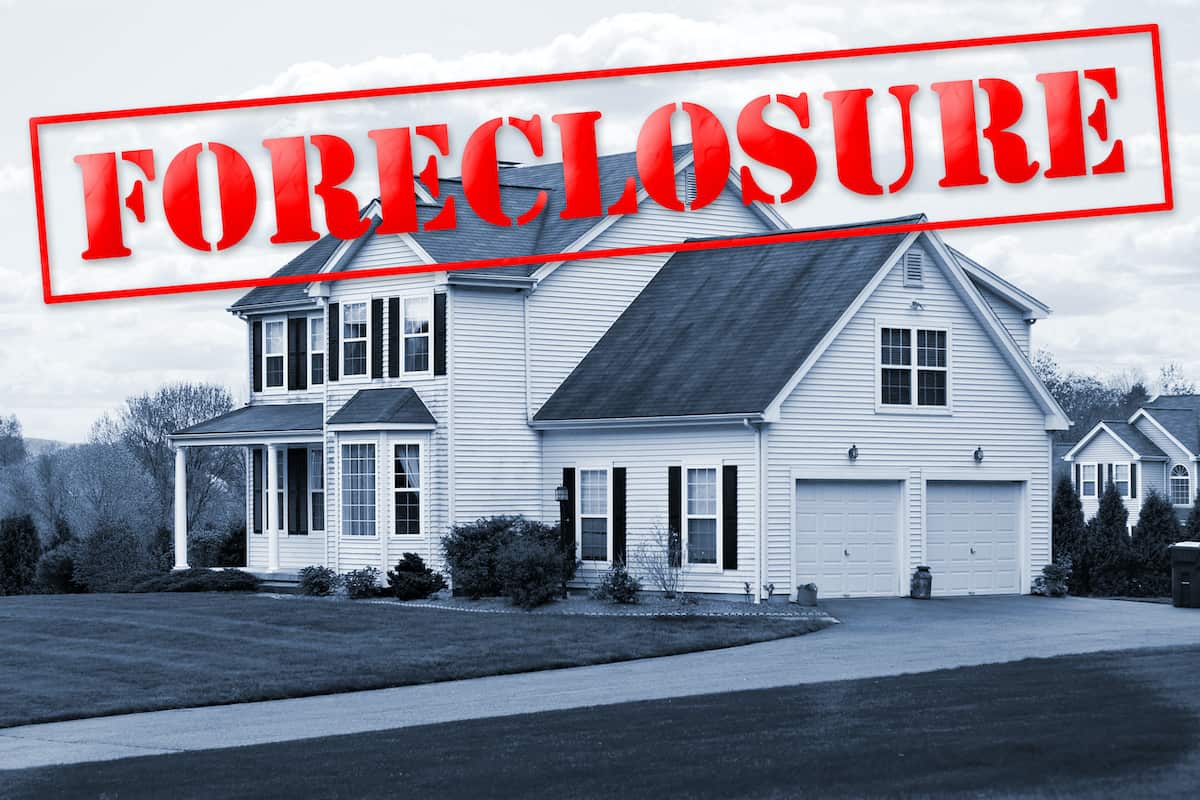
In the wake of the global financial crisis of 2008, the term “foreclosure” became a somber household term, synonymous with economic distress and instability. The housing market took a significant hit, leading to a surge in foreclosures across the United States. While the subsequent years saw a gradual recovery, recent indications suggest that home foreclosures are once again on the rise. This blog delves into the reasons behind this unsettling trend and its potential implications for homeowners, the housing market, and the broader economy.
The Current Trend
As economic cycles ebb and flow, the real estate market, like any other sector, experiences its share of ups and downs. After a period of relative stability and recovery following the 2008 crisis, it’s concerning to observe the resurgence of home foreclosures. While it’s important not to jump to conclusions based solely on a short-term uptick, understanding the factors driving this trend is crucial.
Factors Contributing to the Rise
- Economic Uncertainty: Economic uncertainty, often driven by factors such as inflation, interest rate hikes, and global geopolitical tensions, can lead to reduced consumer confidence. This, in turn, can impact homeowners’ ability to meet mortgage payments.
- Pandemic Aftermath: The COVID-19 pandemic and its resulting economic fallout placed immense strain on individuals and businesses alike. Government interventions, such as mortgage forbearance programs, provided temporary relief to struggling homeowners. However, as these programs come to an end, some homeowners are finding it difficult to resume regular payments.
- Shifts in Employment: Changes in the job market, including job loss and income instability, can directly affect homeowners’ capacity to make mortgage payments. The rise of remote work and shifts in industries have led to job displacement for some, while others struggle with reduced hours and wages.
- Housing Affordability: Despite low-interest rates, housing affordability remains a significant challenge in many areas. Rapidly rising home prices have placed homeownership out of reach for some, leading to higher rates of mortgage delinquency and foreclosure.
- Supply Chain Disruptions: The global supply chain disruptions witnessed in various sectors have also impacted the construction industry, leading to delays in home building and renovations. This can affect the housing market, potentially leading to a decrease in available housing and placing upward pressure on prices.
Implications and Responses
The resurgence of home foreclosures has several potential implications:
- Individual Financial Hardship: Foreclosure brings with it emotional distress, financial setbacks, and even homelessness for affected homeowners.
- Housing Market Dynamics: A significant increase in foreclosures can contribute to a surplus of available homes, potentially leading to a decrease in property values.
- Economic Ripple Effects: A troubled housing market can have broader economic repercussions, impacting consumer spending, lending practices, and even the stability of financial institutions.
To address these challenges, a multi-faceted approach is needed:
- Financial Education: Equipping homeowners with financial literacy can help them make informed decisions about homeownership and mortgage management.
- Targeted Assistance: Government and non-profit organizations can provide targeted assistance to homeowners facing foreclosure, offering financial counseling and resources.
- Flexible Mortgage Products: Lenders could develop more flexible mortgage products that consider economic uncertainties and changes in homeowners’ circumstances.
- Affordable Housing Initiatives: Policy measures aimed at increasing affordable housing options can alleviate the strain on prospective homeowners.
 Conclusion
The resurgence of home foreclosures is a concerning trend that requires careful consideration and proactive response. By addressing the underlying factors contributing to this trend and implementing measures to support homeowners, the housing market can potentially avoid the pitfalls of the past. In doing so, we can strive for a more stable and equitable housing landscape for current and future homeowners alike.