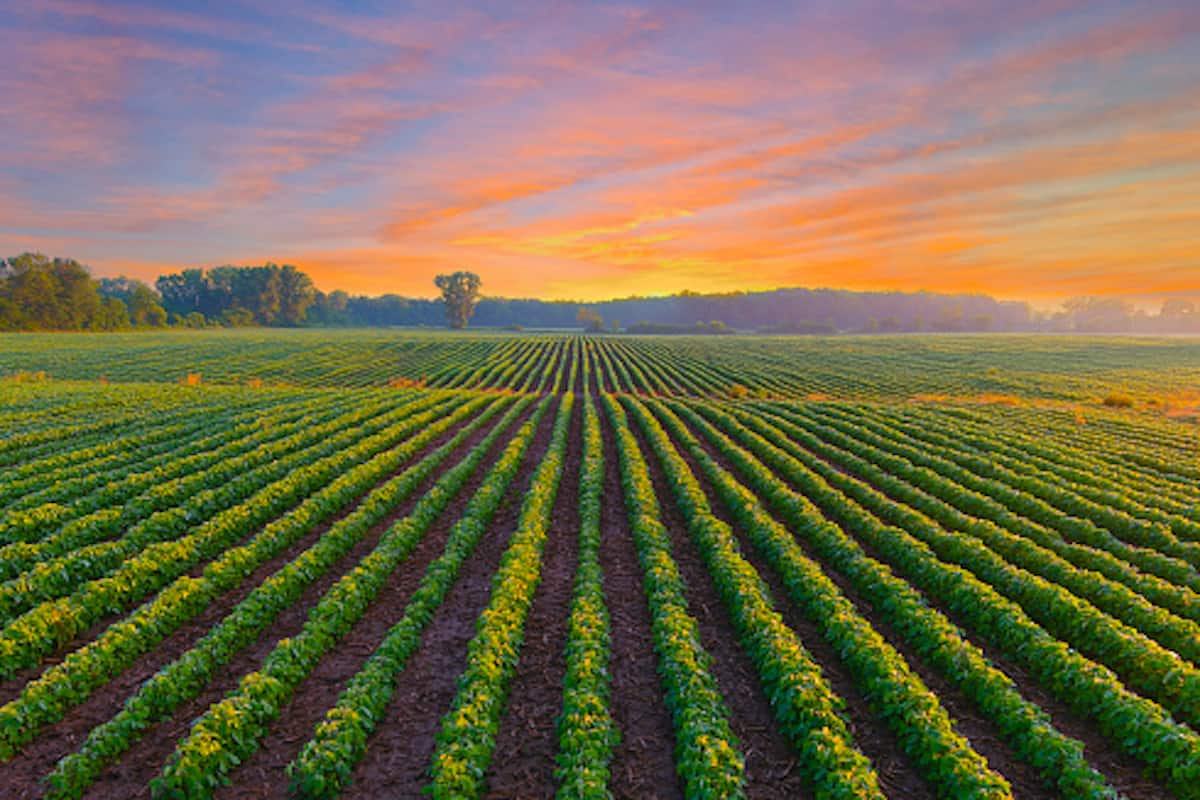
Agricultural real estate, also known as ag real estate, is a niche within the broader real estate market that deals with properties used for agricultural purposes. These properties encompass farmland, ranches, orchards, vineyards, and various types of agricultural operations. Investing in ag real estate can be a rewarding venture, but it requires a comprehensive understanding of the unique dynamics and considerations that set it apart from other forms of real estate investment. In this blog, we will delve into the essential aspects you need to know about ag real estate before considering it as an investment opportunity.
Demand and Supply Factors
Agricultural real estate’s value is closely linked to the supply and demand of agricultural products. Factors such as population growth, dietary shifts, and global demand for food and fiber play a crucial role in determining the potential profitability of agricultural investments. Keeping a close eye on these trends and understanding their implications will help investors make informed decisions.
Risk and Reward Balance
As with any investment, agricultural real estate comes with its own set of risks and rewards. Factors like climate change, weather events, pests, and diseases can significantly impact crop yields and farm profitability. However, agriculture is a fundamental sector, and the growing global demand for food offers substantial long-term potential for investors. It’s essential to conduct thorough risk assessments and consider risk mitigation strategies before making an investment.
Types of Ag Real Estate
Agricultural properties vary widely in terms of size, location, and agricultural activities. Farmland can be categorized into row crops, specialty crops, and permanent crops. Row crops include grains and oilseeds, while specialty crops consist of fruits and vegetables. Permanent crops refer to plants like orchards and vineyards that have longer life cycles. Understanding the different types of ag real estate will help you focus your investment strategy.
Land Productivity and Soil Quality
The productivity of agricultural land is a critical factor influencing its value. Soil quality, water availability, and climatic conditions all play a role in determining a property’s agricultural potential. Investors should consider factors like soil tests, water rights, and historical crop yields to assess the land’s overall productivity and suitability for specific agricultural activities.
Location and Accessibility
The location of agricultural real estate can significantly impact its value and potential profitability. Proximity to markets, transportation networks, processing facilities, and other agricultural services can enhance the property’s accessibility and reduce operational costs. Investing in areas with strong agricultural infrastructure and logistical advantages can offer a competitive edge.
Government Policies and Regulations
Government policies and regulations related to agriculture can have a substantial influence on ag real estate investments. Land use regulations, environmental policies, tax incentives, and subsidies can either support or hinder agricultural operations. Stay informed about relevant government policies and their potential impact on your investment.
Diversification Benefits
Agricultural real estate can serve as an effective diversification tool within an investment portfolio. Its performance is not always closely correlated with other asset classes, such as stocks and bonds. This lack of correlation can help reduce overall portfolio risk and improve risk-adjusted returns.
 Conclusion
Investing in agricultural real estate offers an opportunity to be part of an essential sector while potentially reaping long-term rewards. However, it requires careful consideration of various factors, including demand and supply dynamics, risk assessment, types of ag properties, land productivity, location, government policies, and diversification benefits. By conducting thorough research and seeking advice from experts in the field, investors can make informed decisions and navigate the unique challenges and opportunities presented by ag real estate investments.