
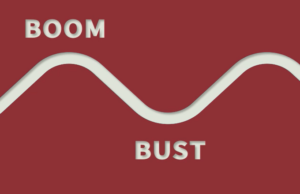
The real estate market operates in cyclical patterns, characterized by periods of growth and decline. Understanding these market cycles is essential for buyers, sellers, and investors to make informed decisions. In this blog, we’ll delve into the concept of real estate market cycles, focusing on the two primary phases: boom and bust. By grasping the dynamics of these phases, you can navigate the market more effectively and potentially capitalize on opportunities.
The Boom Phase
The boom phase, also known as the expansion phase, is characterized by robust economic growth, increasing demand for real estate, and rising property prices. Several factors contribute to this phase:
a. Economic Growth: A strong economy with rising GDP, low unemployment, and increased consumer confidence fuels the demand for housing. As people have more disposable income, they are more likely to invest in real estate.
b. Low Mortgage Rates: During the boom phase, central banks often keep interest rates relatively low to encourage borrowing and spending. Low mortgage rates make homeownership more affordable, boosting demand.
c. High Demand from Buyers and Investors: Fueled by optimism and expectations of future price appreciation, both homebuyers and investors actively participate in the market, driving up demand.
d. Limited Housing Supply: The increased demand often outpaces the supply of available properties, leading to a shortage of inventory, which further pushes up prices.
e. Speculation: Speculative buying becomes more common during a boom, as investors buy properties with the expectation of selling them at higher prices in the future.
The Bust Phase
The bust phase, also known as the contraction phase or market correction, is the opposite of the boom phase. It is characterized by declining economic activity, falling property prices, and reduced demand. Key factors contributing to this phase include:
a. Economic Downturn: Economic indicators, such as rising unemployment and sluggish GDP growth, dampen consumer confidence and weaken the real estate market.
b. Higher Mortgage Rates: As the economy slows down, central banks may raise interest rates to control inflation. Higher mortgage rates make borrowing more expensive, reducing buyer demand.
c. Oversupply of Housing: The rapid construction and high demand during the boom phase may lead to an oversupply of properties, creating downward pressure on prices.
d. Decreased Investor Activity: Speculative investors who bought during the boom phase may start selling off properties, contributing to a surplus of inventory and further lowering prices.
e. Buyer Caution: During a bust phase, potential buyers may delay purchasing, waiting for prices to stabilize or seeking better deals.
The Transition Phase
Between the boom and bust phases, there is a transition phase, often referred to as the peak or trough. This period represents a shift from one phase to the other. During this time, the market stabilizes, and property prices may either level off or show slight fluctuations.
 Conclusion
Understanding real estate market cycles is crucial for making informed decisions in buying, selling, or investing in property. Recognizing the signs of a boom or bust phase can help you strategize and adapt your approach to the prevailing market conditions. While market cycles are inevitable, they provide opportunities for both buyers and sellers to capitalize on favorable conditions. Whether it’s buying at a lower price during a bust or selling at a peak during a boom, a comprehensive understanding of real estate market cycles can be a valuable asset in navigating the dynamic and ever-changing real estate landscape.