
Buying a home is a significant investment, and a comprehensive home inspection is a crucial step to ensure your future property is safe and sound. In this buyer’s guide, we’ll explore the ins and outs of home inspections, empowering you to make informed decisions and secure your dream home with confidence.
Understanding the Importance of Home Inspections:
A home inspection is a detailed assessment of a property’s condition, aiming to identify potential issues that may not be apparent to the untrained eye. It examines the foundation, structure, electrical systems, plumbing, HVAC, and more. This thorough examination helps buyers avoid unexpected repairs and protects them from unforeseen expenses in the future.
Hiring a Qualified Home Inspector:
When choosing a home inspector, always look for credentials, experience, and references. A licensed professional who specializes in residential inspections will possess the knowledge to identify both visible and hidden problems, giving you a comprehensive understanding of the property’s condition.
Pre-Inspection Preparation:
Before the inspection, ask the seller for permission to access all areas, including basements, attics, and crawl spaces. Ensure all utilities are functioning, allowing the inspector to test electrical systems, plumbing, and HVAC efficiently.
The Inspection Process:
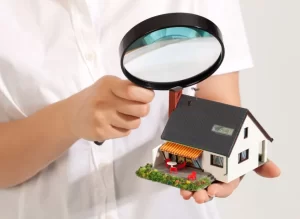
The home inspection is a visual assessment of the property’s components. The inspector will check the roof, foundation, walls, windows, doors, appliances, and more. You may accompany the inspector, gaining valuable insights into the property’s condition.
Interpreting the Inspection Report:
The inspection report is a detailed document outlining the findings, including potential issues and recommended repairs. Study it carefully and consult with the inspector to clarify any concerns. This report will be crucial in your decision-making process.
Negotiating Repairs and Renegotiating the Price:
Based on the inspection report, you have several options. You can ask the seller to make repairs before closing, request a price reduction to cover the repair costs or opt to handle the repairs yourself after closing. Negotiation is essential for a fair deal.
Additional Specialized Inspections:
In some cases, specific concerns might warrant specialized inspections such as termite inspections, mold assessments, or radon testing. Be sure to address any potential hazards adequately.
 Conclusion:
A home inspection is an indispensable part of the home-buying process. Being well-informed through this guide empowers you to make wise decisions, ensuring your investment is a safe and secure one. Happy house hunting!