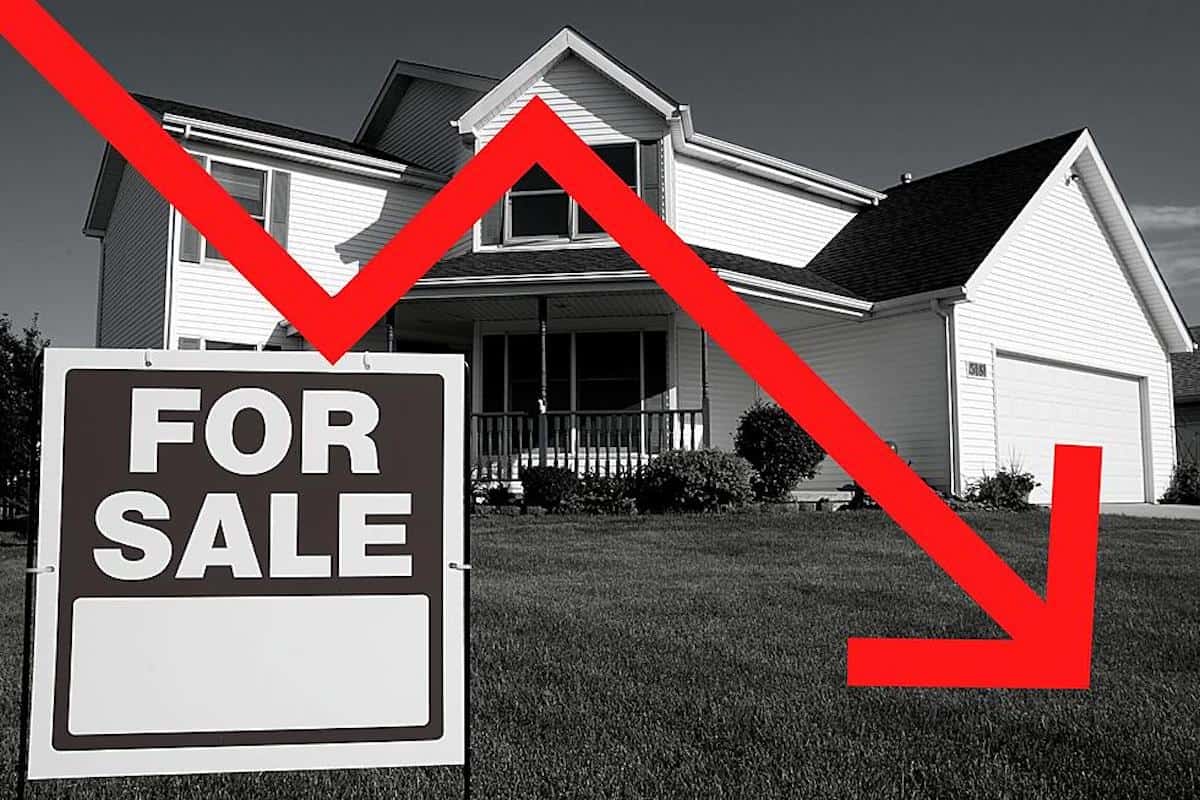
In the world of real estate, uncertainty often looms large. Whether you’re a homeowner, a prospective buyer, or a curious observer, one question seems to persistently echo: “Is the real estate market going to crash?” It’s a question that has been asked for decades, and as with most aspects of the economy, the answer is rarely straightforward. In this blog, we’ll delve into the factors that influence real estate market fluctuations, examine the signs of a potential market crash, and discuss how to make informed decisions in an ever-evolving real estate landscape.
Understanding Real Estate Cycles
Before we explore the possibility of a real estate market crash, it’s crucial to understand that the real estate market operates in cycles. These cycles are influenced by various economic, social, and political factors. While they can be challenging to predict with absolute certainty, understanding the stages of these cycles can provide valuable insights.
- Expansion: During this phase, the economy is strong, interest rates are low, and demand for real estate is high. Property values tend to rise steadily, and sellers often enjoy lucrative returns on their investments.
- Peak: At the peak of the real estate market cycle, property prices reach their highest point. Speculation and exuberance can drive prices to unsustainable levels. This is when some experts begin to raise concerns about a potential crash.
- Contraction: During this phase, demand starts to decline, and property prices stabilize or begin to fall. Rising interest rates can make it more challenging for buyers to afford homes, leading to a slowdown in the market.
- Trough: The trough represents the lowest point in the market cycle. Property prices may have decreased significantly, and housing inventory is often high. This is typically when concerns about a market crash intensify.
Signs of a Potential Market Crash
While predicting a market crash with absolute certainty is difficult, there are several signs and indicators that can provide insight into the market’s health. Some of these signs include:
- Overinflated Prices: Rapid and unsustainable price increases can be a red flag. If property values have soared well beyond what can be justified by economic fundamentals, a correction may be on the horizon.
- Increasing Interest Rates: Rising interest rates can lead to higher mortgage costs for buyers, reducing their purchasing power. This can result in decreased demand for real estate.
- Economic Downturn: A broader economic recession can have a significant impact on the real estate market. High unemployment rates and reduced consumer confidence can lead to decreased homebuying activity.
- Excessive Speculation: When investors and speculators flood the market, it can create an artificial demand that may not be sustainable. A sudden withdrawal of speculators can trigger a market correction.
- High Inventory Levels: An excess supply of homes on the market can exert downward pressure on prices. Sellers may struggle to find buyers, leading to price reductions.
Making Informed Decisions
So, what should you do if you’re concerned about a potential real estate market crash? Here are some strategies for making informed decisions:
- Research: Stay informed about local and national economic trends. Understanding the factors that influence the real estate market in your area can help you make smarter decisions.
- Diversify: If you’re an investor, consider diversifying your portfolio to reduce risk. Investing in different types of assets can help safeguard your finances in the event of a market downturn.
- Consult Professionals: Talk to real estate agents, financial advisors, and economists who can provide expert insights and advice tailored to your specific situation.
- Long-Term Perspective: Real estate is generally a long-term investment. If you’re buying a home, consider your ability to hold onto it for several years. Over time, real estate has historically appreciated.
 Conclusion
The question, “Is the real estate market going to crash?” is a common one, but it lacks a one-size-fits-all answer. Real estate markets are influenced by a complex interplay of economic, social, and political factors. While market cycles do exist, predicting the exact timing and severity of a crash is challenging. Instead of dwelling on the fear of a market crash, focus on being an informed and prudent participant in the real estate market. Stay attuned to economic indicators, consult experts, and make decisions that align with your long-term financial goals. Remember that real estate, like any investment, carries risks, but it can also offer opportunities for financial growth and stability when approached wisely.